Egypt vs China: is it worth moving production?
China still has the biggest range, the lowest cost at very high volume and the widest choice of fabrics. For cotton garments going to the US, though, the risk has changed: US customs presumes goods with cotton from Xinjiang are made with forced labour. Egypt's cotton chain can be documented back to the gin, and QIZ factories ship duty-free to the US.
| Egypt | China | |
|---|---|---|
| Scale | Mid-sized | The largest in the world |
| Fabric choice | Strong in cotton, denim, jersey | Almost unlimited, including synthetics |
| Cotton traceability | Egyptian chain, documentable to the gin | Must prove no Xinjiang cotton at every tier |
| Duty into the US | 0% from QIZ-registered factories | Normal duty plus additional tariffs |
| Duty into the EU | 0% with EUR.1, if origin rules are met | Normal EU duty |
| Transit to Europe | Short | Long |
Stay in China if
You need technical or synthetic fabrics, very high volumes on one style, or a supplier who can do everything in one city. Nothing else matches the breadth.
Move cotton to Egypt if
You import cotton garments into the US. The Uyghur Forced Labor Prevention Act puts the burden on the importer to prove where the cotton came from, at every stage from farm to sewing. An Egyptian chain is simpler to document.
Start small
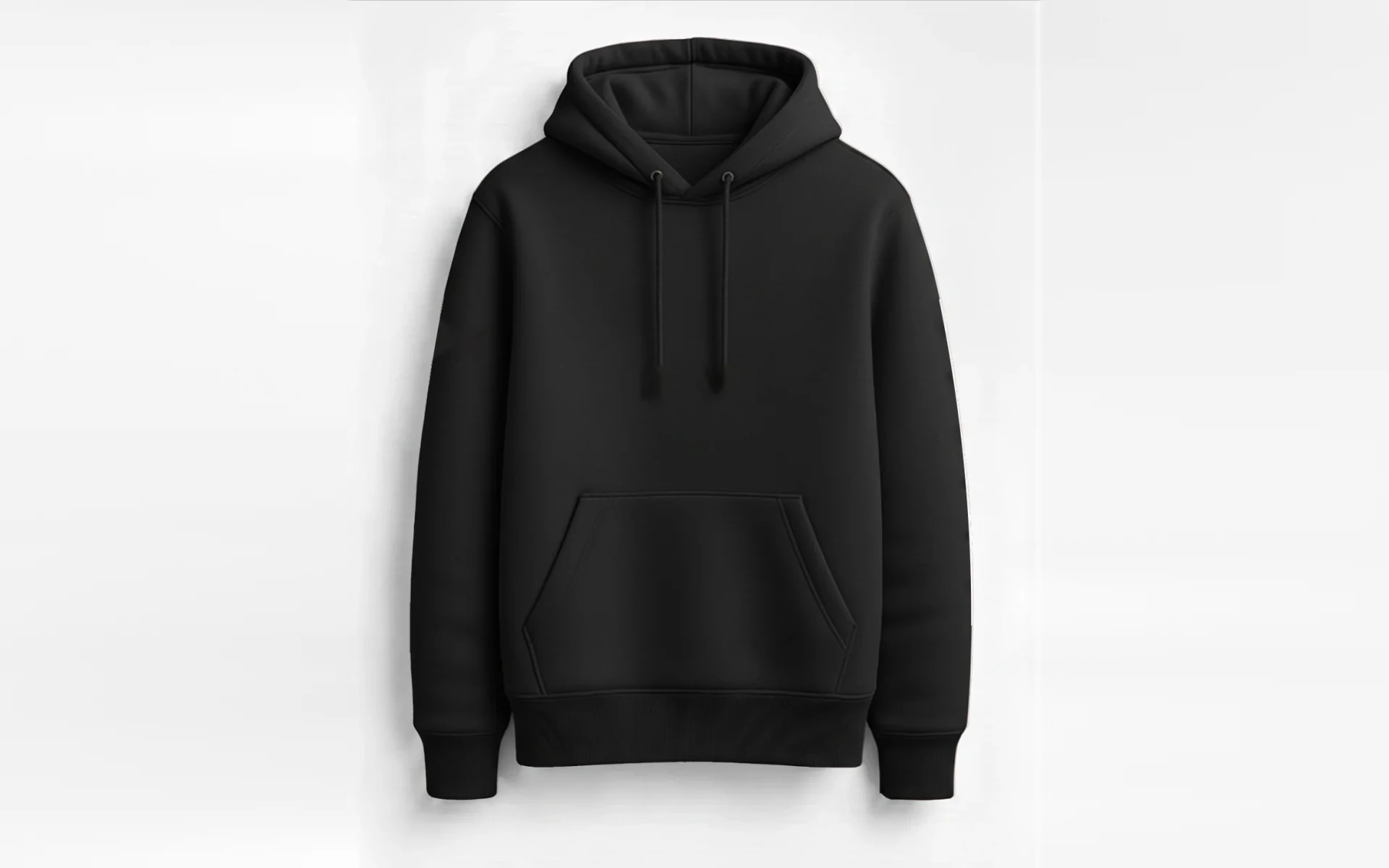
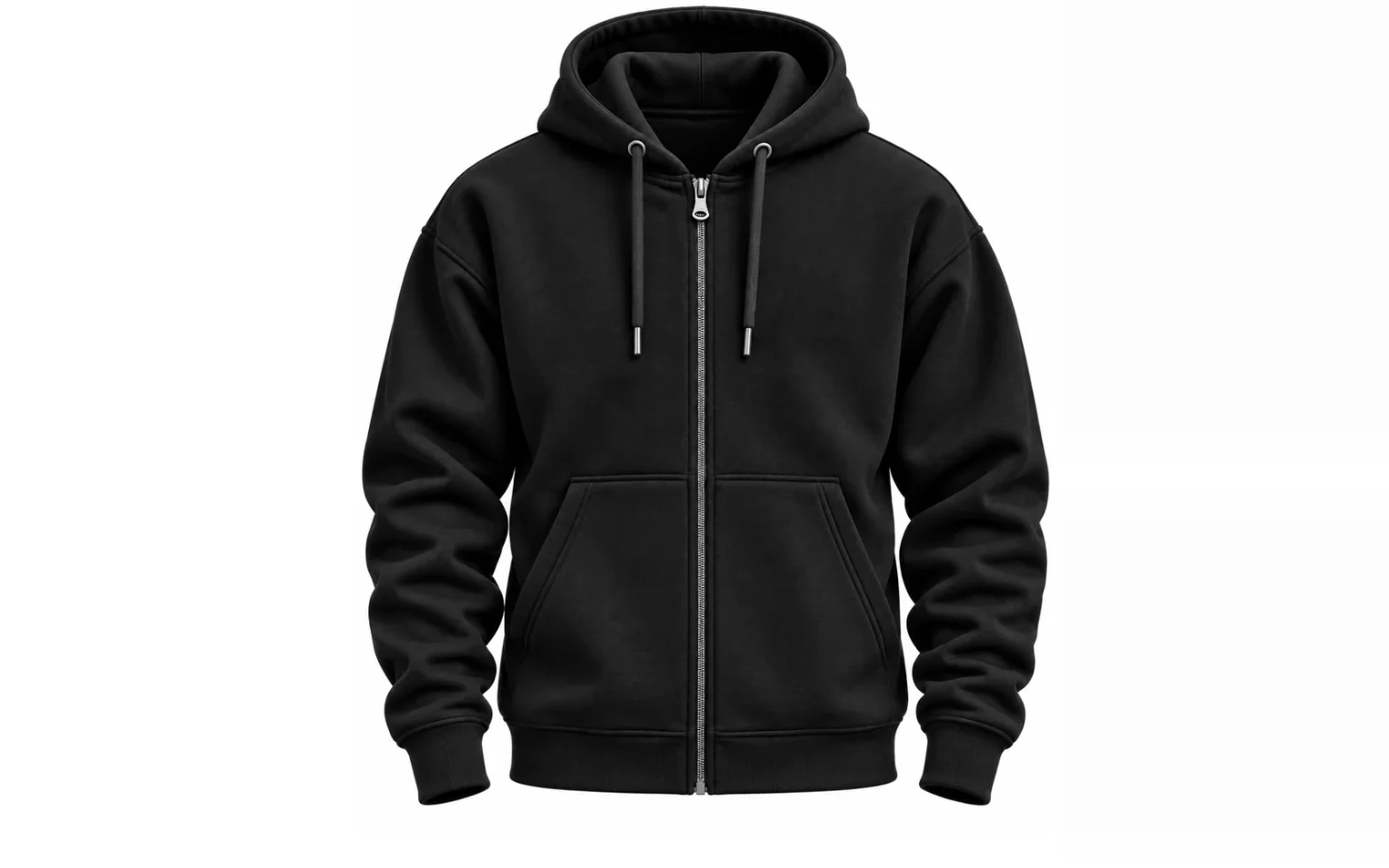
You don't have to move everything. Move one cotton category — tees or hoodies — and compare landed cost and paperwork over one season.
Questions
Is Egypt more expensive than China?
On FOB price at very high volume, often yes. On landed cost into the US for cotton goods, often no — because of duty and tariffs.
Does Egyptian production avoid UFLPA problems?
It lowers the risk, but only if the yarn is traceable too. Ask where the yarn was spun, not just where the garment was sewn.
What should I move first?
A simple cotton knit category — tees or fleece. Lowest risk, fastest to compare.
Products in this guide